

The Electoral Act 2026
What It Means For You

You have a PVC. On election day, you have queued for hours, handed in your card, pressed your thumb to a machine, and cast your vote. Then you have watched the results on TV and wondered whether what you saw at your polling unit had anything to do with the numbers being announced on screen.
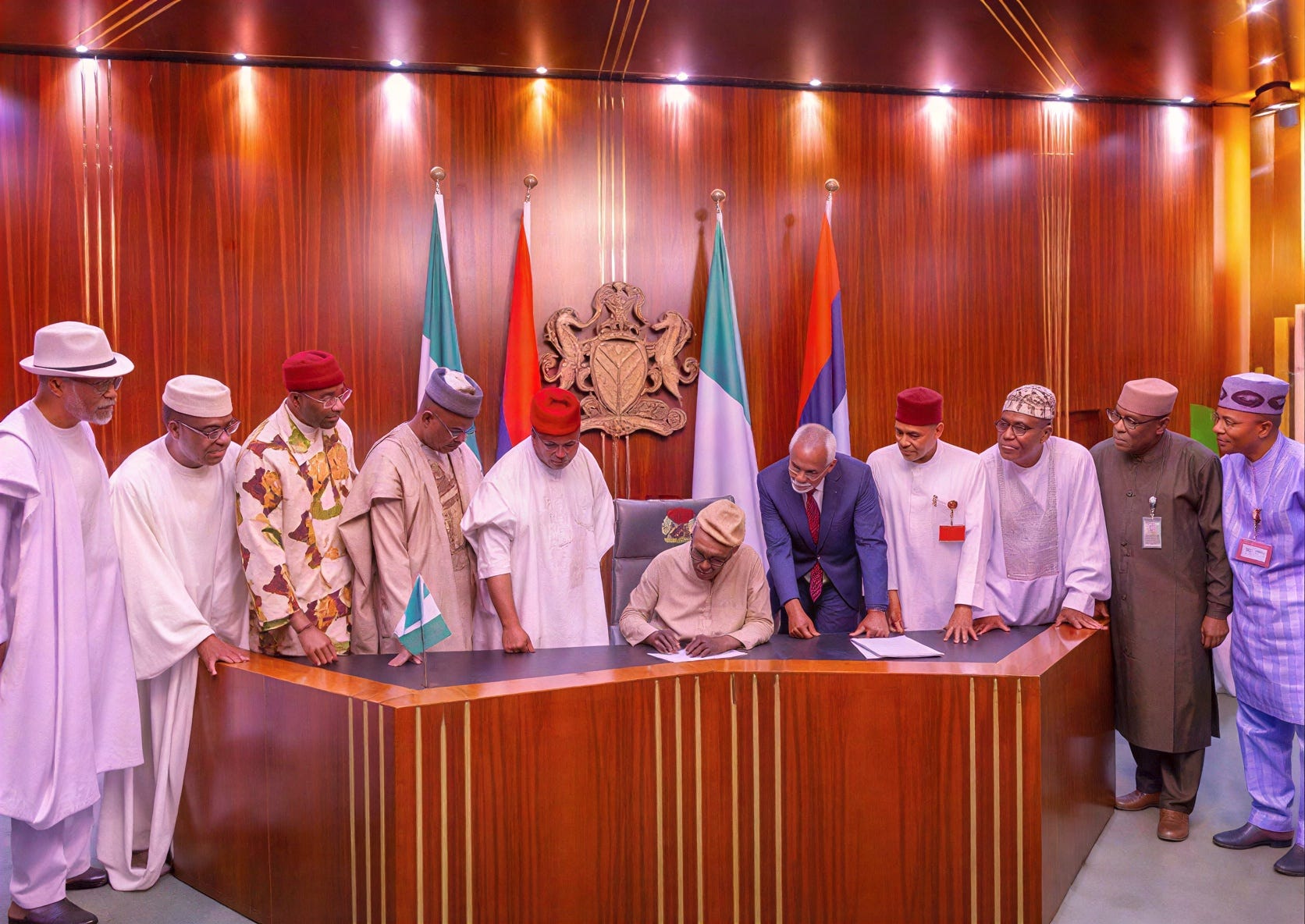
That frustration — the gap between the vote you cast and the result that was declared — is exactly what the Electoral Act 2026 is supposed to address. President Bola Tinubu signed the law on 18 February 2026. It replaces the Electoral Act 2022 and sets the rules for how Nigeria’s 2027 elections will be run.
Some of the changes are genuinely good for voters. Others have caused serious concern. All of them affect you. Here is what you need to know.
When is the election, and why did the date change?
Under INEC’s official timetable, the Presidential and National Assembly elections are now scheduled for Saturday, 16 January 2027. Governorship and State House of Assembly elections follow on Saturday, 6 February 2027.
The dates shifted from the original February 2027 timetable because those dates fell within Ramadan. After lobbying from Muslim stakeholders and a Senate motion, INEC was empowered to adjust the schedule. The new law gives INEC the flexibility to set election dates within a 300-day notice window, instead of the rigid 360-day deadline in the old law.
Key dates to know
16 January 2027: Presidential and National Assembly elections
6 February 2027: Governorship and State House of Assembly elections
25 August 2025: Nationwide voter registration began (ongoing)
21 days before primaries: Deadline for parties to submit membership registers to INEC
How your vote will be verified
The Bimodal Voter Accreditation System (BVAS) — the fingerprint and facial recognition machine used to confirm your identity at the polling unit — is now the only lawful method of voter accreditation under the new law. Previously, INEC had discretion over the method. Now, it is written into the statute under Section 47.
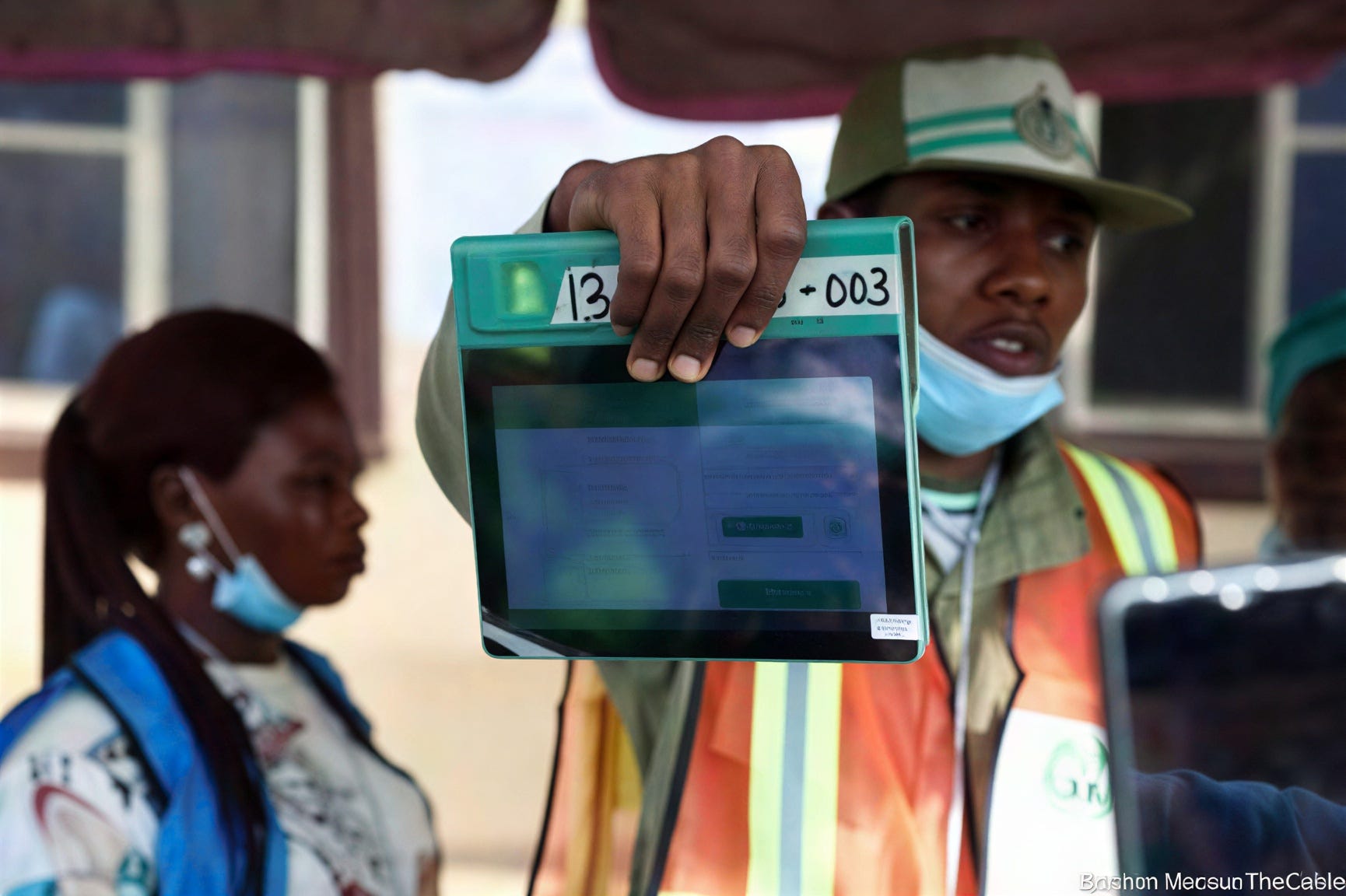
This matters because BVAS largely stopped the practice of multiple voting in 2023. Giving it statutory backing means it cannot simply be sidelined or swapped for a manual alternative at the convenience of polling officials. If you are a registered voter, you must be accredited through BVAS to receive a ballot paper. No BVAS, no vote.
What happens to the results after you vote
This is the most important and most controversial part of the new law. Understanding it requires a brief history.
In 2023, INEC’s Result Viewing Portal (IReV) allowed anyone with a phone to check results uploaded from polling units in real time. The idea was simple: if the result announced at your polling unit matched what was uploaded online, it was much harder to manipulate figures at collation centres. But the 2022 law never made this mandatory. INEC operated it as policy, not a legal obligation.
The Electoral Act 2026 tries to fix this through Section 60(3). The presiding officer at each polling unit is now legally required to electronically transmit results to the IReV portal. This is no longer discretionary. And under Section 60(6), any presiding officer who wilfully frustrates the upload faces six months in prison or a ₦500,000 fine, or both.
The loophole you need to know about
Section 60(3) includes a proviso: if electronic transmission fails due to “communication failure,” the manual Form EC8A signed at the polling unit takes precedence.
Critics, including former INEC Commissioner Mike Igini and legal analysts at Mondaq, warn that no timeframe is specified for when the upload must occur. A presiding officer who departs with the paper forms before uploading is technically still in compliance with the law. The real-time accountability the law was meant to deliver is therefore not guaranteed.
The IReV data is also now legally admissible as evidence in election tribunals. This overrides a 2023 Supreme Court ruling that treated IReV as merely a “viewing portal” with no legal weight. Under the new law, if results on the portal contradict those declared by a returning officer, a tribunal must engage with that discrepancy. That is a real and meaningful change.
What changes for political parties
The new law abolishes delegate-based primaries. Under the old system, parties nominated candidates through conventions where delegates — often bribed with cash — voted for aspirants. Section 84(2) of the Electoral Act 2026 now requires that nominations be made either by direct primaries (where all registered members vote) or consensus. The delegate system that money could buy is gone.
Parties must also maintain a digital membership register and submit it to INEC at least 21 days before any primary. Only members on that register can vote or contest. This makes last-minute defections significantly harder — a politician who switches parties a week before primaries will not be eligible to run on their new party’s ticket.
The crackdown on vote buying
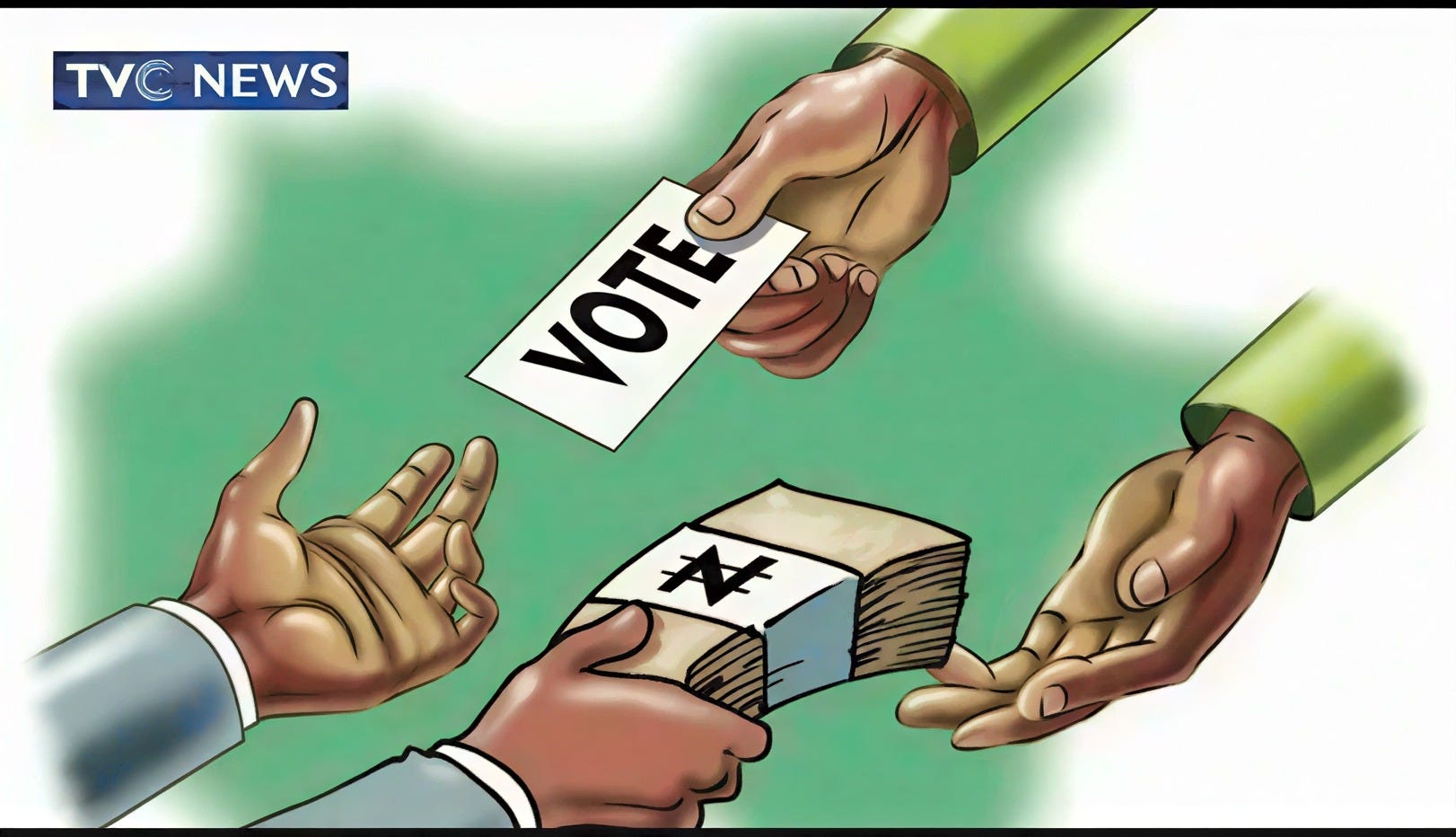
Section 22 of the Electoral Act 2026 explicitly criminalises vote buying and PVC trading. Anyone caught buying, selling, or unlawfully holding a voter’s card faces criminal charges. Crucially, any person convicted of vote-buying is banned from running for elected office for 10 years. This is a significant deterrent — on paper.
Whether it is enforced is another matter. Nigeria has had laws against vote-buying before. The difference now is that the 10-year ban creates a consequence that directly threatens a politician’s career. Civil society organisations and observers will be watching whether prosecutions actually follow in 2027.
INEC’s funding: a quiet but important change
Under the Electoral Act 2022, INEC was supposed to receive election funding 12 months before a general election. In practice, delays meant the commission was often scrambling for logistics money. The new law shortens this to six months — but crucially, it establishes a dedicated INEC fund that does not have to pass through the normal appropriation process. The money is ring-fenced.
This matters because a cash-starved INEC is an INEC that cannot print enough ballot papers, deploy enough staff, or maintain BVAS machines. Dedicated funding, released on time, is a precondition for any credible election. The law also requires INEC to publish audited financial statements within six months of each financial year — a basic accountability measure that did not exist before.
The provisions that concern experts
Not everyone is satisfied. Opposition parties and civil society groups have raised specific objections to provisions they say could make rigging easier, not harder.
The provisions critics are watching
Section 63: Allows presiding officers to accept ballot papers that do not bear INEC’s official security marks — as long as they are “satisfied” with their authenticity. Critics say this opens the door to unofficial ballot papers being used.
Section 137: Presiding officers and returning officers who violate INEC’s guidelines cannot be individually joined as respondents in election petitions. Former INEC Commissioner Mike Igini warned that this effectively shields those who rig elections from being brought to the tribunal.
Section 138: Removes certificate forgery as a ground for challenging an election outcome at a tribunal. A politician who presents a forged certificate to qualify can no longer be removed from office on that basis alone.
Full analysis of these provisions
The Conversation’s analysis summarises the central tension: “The Act provides a stronger foundation for Nigeria’s elections than its predecessor — but it doesn’t tackle some of the real structural problems.” The question is whether the genuine improvements outweigh the loopholes that appear to have been deliberately inserted.
What this means for you, practically
Your checklist before 2027
✔ Check your voter registration: INEC is conducting nationwide registration and revalidation. Visit inecnigeria.org to confirm your status or register. Your name must be on the register to vote.
✔ Know your polling unit: INEC will publish polling unit locations ahead of the election. Your PVC is tied to a specific unit. You cannot vote elsewhere.
✔ Understand BVAS: You will need to verify your fingerprint or face at the polling unit. If the machine cannot verify you, you cannot vote. Make sure your biometrics are registered.
✔ Watch the IReV portal: On election day, results from your polling unit should appear on the INEC portal. If what you saw announced does not match what is uploaded, report it to your party agents, observer groups, or media.
✔ Report vote-buying: If someone offers you cash for your PVC or your vote, that is now a criminal offence with a 10-year ban attached. Know that your vote is worth more than a thousand naira.
The Electoral Act 2026 is not a guarantee of a clean election. No law is. What it does is set the rules — and shift the legal landscape enough that violations have clearer consequences. Whether those consequences are enforced depends on civil society, the media, the courts, and ultimately on Nigerian voters who refuse to be spectators in their own democracy.
Stay informed before 2027
Check your voter registration status at inecnigeria.org.
Read the key provisions of the new law at TheCable’s breakdown.
Follow the independent legal analysis from Mondaq and The Conversation’s five recommended reforms.
And read the critical analysis of the provisions that concern experts at Within Nigeria.
Your vote is only as powerful as your understanding of the rules that govern it.
Found this helpful,